
Stronger rural schools through shared STEM learning
For many small rural schools, providing students with access to STEM learning can be challenging. Limited resources and fewer opportunities for collaboration can make it harder for students to explore emerging fields and for teachers to access specialised professional learning.
Supported through the GHD Foundation’s STEAM Education Grant, in partnership with Schools Plus, the Small School STEM Connections for Future Innovators project brought together five rural schools led by Eumungerie Public School. The initiative focused on building a connected learning community where students and teachers could learn from one another, share ideas and strengthen STEM capability across the region.
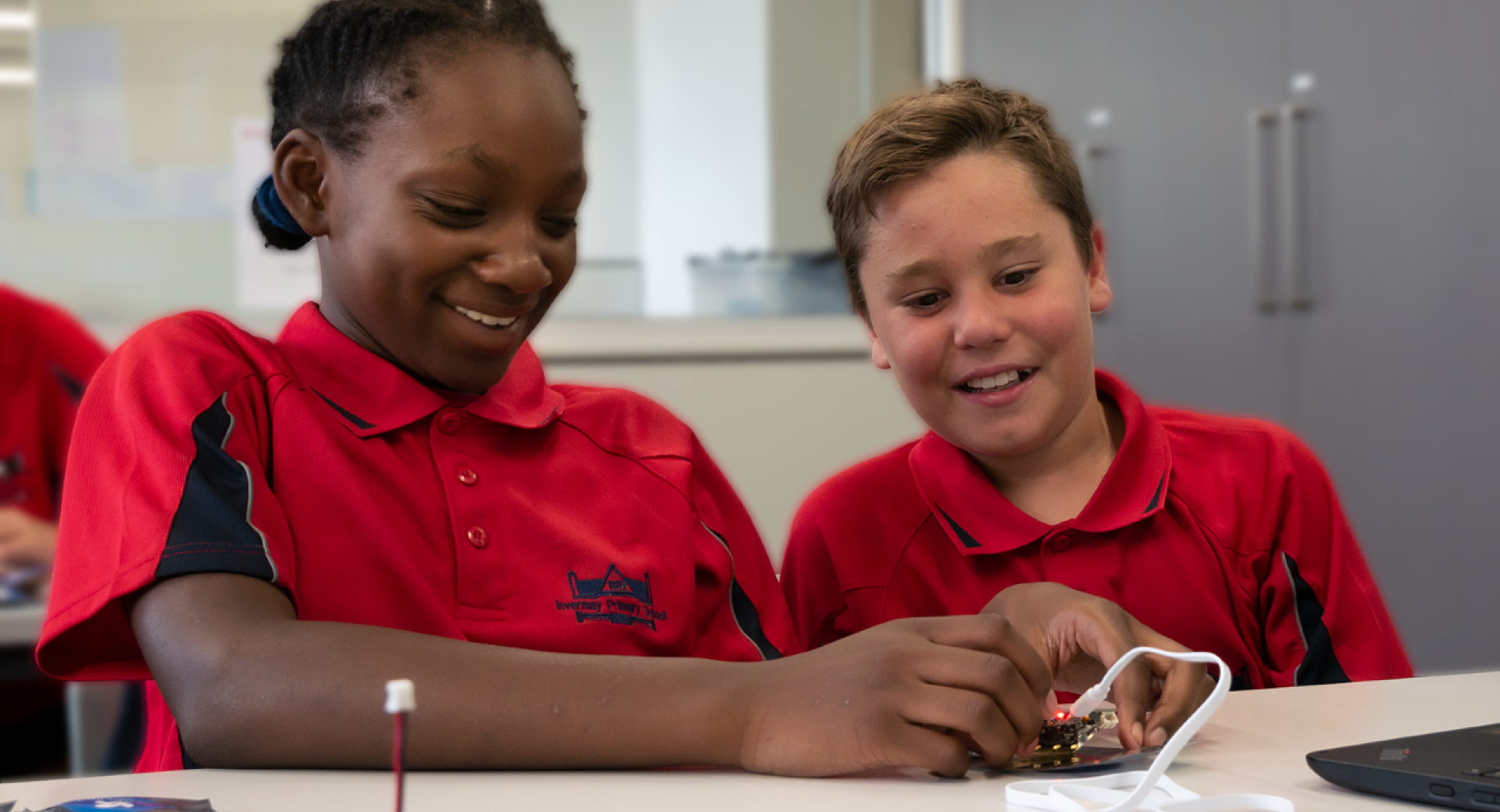
Over its second year, 121 students and 17 teachers took part in hands-on STEM learning experiences. Students explored robotics and digital technologies while working together to solve real-world challenges, building confidence and practical skills along the way.
The project also invested in the people who will continue to shape STEM learning long after the program ends: teachers. Through professional learning in inquiry-based STEM, robotics and digital technologies, teachers strengthened their confidence and capability, equipping them to deliver engaging STEM experiences in their classrooms and share that knowledge across their school communities.
By mid-2026, all five schools remained actively involved in the program, demonstrating the value of a model built on collaboration and shared learning. The project delivered observable change for all involved:
- Teachers reported greater confidence teaching STEM concepts.
- Robotics, digital technologies and inquiry-based learning became more consistent parts of classroom learning.
- Students showed stronger engagement in learning and developed critical thinking, problem solving and collaboration skills.
- Participating schools strengthened connections with each another, creating a support network that extends beyond individual activities.
Connecting schools, strengthening teacher capability and creating opportunities for ongoing collaboration helps rural communities build the confidence and capacity to support future generations of learners and innovators, creating lasting impact that extends far beyond STEM lessons